Why Timely Auto Glass Repair Can Save You Money and Ensure Safety
Prompt auto glass repair is critical for preserving both safety and affordability. Tiny chips can progress into serious cracks, causing expensive windshield replacements. In addition, damaged windshields can impair visibility, increasing the risk of accidents. Being aware of the risks associated with overlooking these concerns can encourage drivers to respond promptly. However, the decision to repair or replace is not always straightforward. What factors should influence this choice?
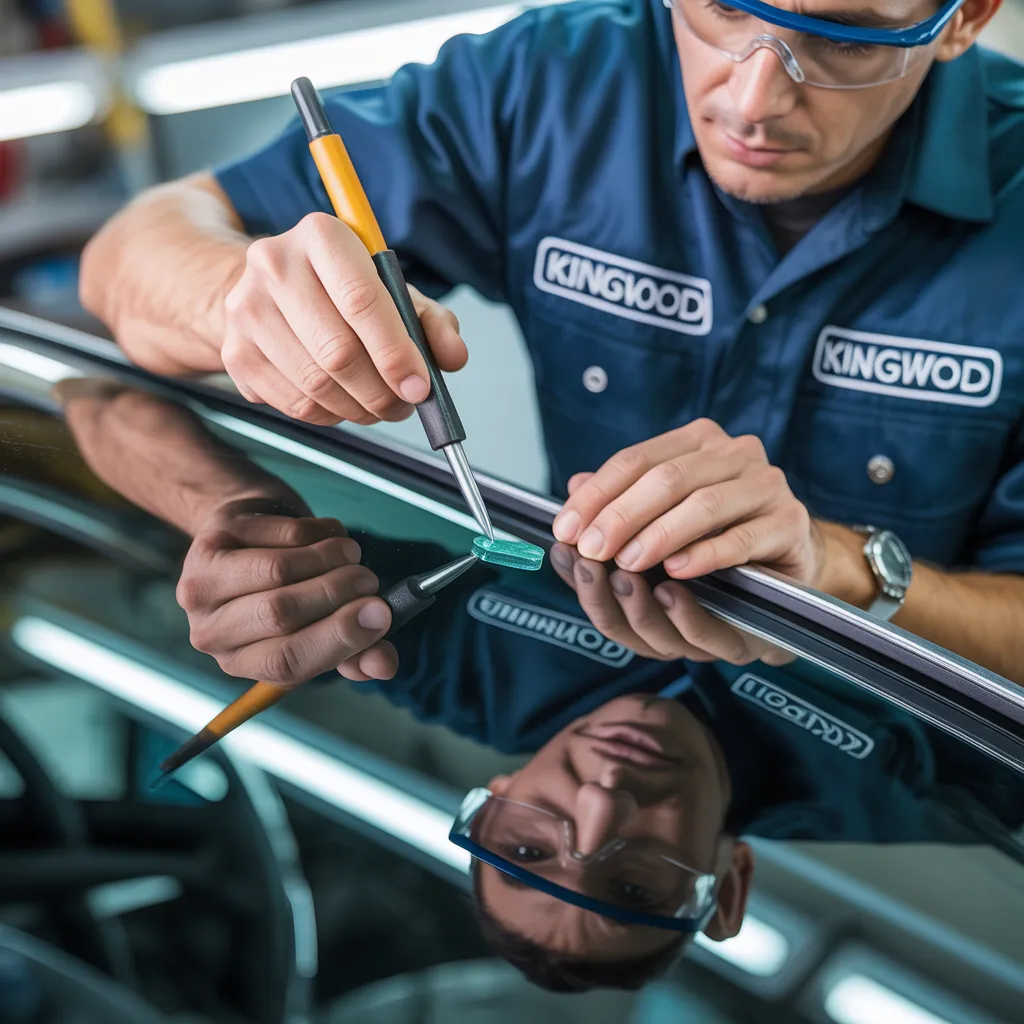
Why Putting Off Auto Glass Repairs Can Cost You Big
Ignoring auto glass damage may seem like a minor issue, but it can lead to major complications. Many vehicle owners underestimate the impact of cracks or chips, believing they pose no immediate threat. However, neglecting these issues often results in compromised structural integrity, which can undermine the vehicle's general safety. A compromised windshield could be unable to deliver proper support during a crash, increasing the risk of injury. Furthermore, minor damages may deteriorate gradually as a result of temperature changes or road vibrations, causing more comprehensive repairs that are far more expensive. Insurance providers might also apply greater deductibles for more substantial repairs, making prompt attention absolutely necessary. At the end of the day, disregarding auto glass damage not only compromises safety but can also produce financial hardships that could have been effortlessly avoided with early repairs. Making auto glass maintenance a priority ensures a more secure driving experience and reduces avoidable expenses over time.
How Small Chips Can Turn into Serious Repairs
Minor chips in auto glass might appear unimportant initially, but ignoring them can develop into more serious problems. Left unattended, these small damages can eventually require expensive replacements and create safety concerns. Fixing small chips without delay can prevent larger repairs and reduce long-term costs for drivers.
Overlooking Minor Damage
A seemingly insignificant crack in a windshield can set off a chain reaction of costly repairs if ignored. In the beginning, minor chips may look harmless, but environmental factors such as temperature fluctuations and moisture can intensify the damage. As time passes, these minor chips can grow into significant cracks, undermining the windshield's strength and stability. Not only does this drive up repair costs, but it also increases safety concerns for those inside the vehicle. Neglecting even minor damage can result in the need for a full windshield replacement. Therefore, treating even the tiniest chips without delay is critical to avoiding more serious issues and guaranteeing long-term safety and cost efficiency.
Costly Replacement Risks
Failing to address minor chips could cause unforeseen expenses for full replacement. What may initially seem like a small blemish may undermine the structural integrity of the windshield, allowing cracks to propagate quickly. Additional pressure caused by temperature changes, road vibrations, and even minor impacts can intensify these imperfections. When the deterioration advances, the only viable solution may become a complete windshield replacement, which is substantially pricier than a straightforward fix. Moreover, insurance plans frequently favor repair costs over replacement expenses, making early action a cost-effective choice. In the end, dealing with minor chips in a timely manner not only preserves the vehicle's value but also ensures the well-being of its passengers by preserving optimal visibility and structural integrity.
Safety Hazards of Cracked Windshields
While many drivers may overlook the critical nature of a windshield crack, the reality is that such damage presents significant safety risks. A crack can impair a driver's vision, significantly raising the risk of accidents. Even minor imperfections can affect sight lines, making it challenging to spot pedestrians, traffic lights, or surrounding vehicles.
Furthermore, during a collision, a damaged windshield could compromise the structural strength of the vehicle. Windshields are built to reinforce the roof during collisions; a compromised windshield can neglect to deliver this vital stability, increasing the likelihood of physical harm.
Additionally, airbags are dependent on the windshield for correct deployment. If a crack is present, the airbag may not function as intended, further compromising the safety of occupants. Ultimately, dealing with windshield damage without delay is vital to ensure both driver and passenger safety on the road. Neglecting such issues can lead to dire consequences that far exceed the cost of immediate repairs.
Fix or Replace Your Windshield?
Determining whether to repair or replace a windshield can often be a challenging decision for drivers. Multiple factors impact this determination, including the size, location, and type of damage. Minor chips and cracks, generally less than six inches, can frequently be repaired successfully without affecting safety. That said, when the damage is widespread or falls within the driver's field of vision, replacing the windshield may be essential to maintain proper visibility.
Moreover, the condition and age of the windshield factor into the decision; aging windshields may be more susceptible to further damage. Your insurance policy can also influence the decision, as certain policies may cover the cost of repairs while other policies may favor replacement instead. In the end, motorists must weigh the immediate costs against potential safety risks and long-term implications. Making a well-informed decision can improve automobile safety and maintain the vehicle's explore this topic overall integrity.
Picking the Right Auto Glass Repair Service
After deciding whether to repair or replace a windshield, the subsequent step entails choosing the appropriate auto glass repair service. Assessing multiple considerations is necessary to secure quality and dependability. To begin with, reputation is a critical factor; companies with strong customer reviews and testimonials typically reflect dependability. Furthermore, verifying certifications and memberships with industry organizations can offer confidence in professional standards.
An additional key consideration is the offering of warranties on repairs. A service that offers a warranty reflects assurance in their services and a pledge to meet customer expectations. Additionally, the use of quality materials is critical; choosing a service that uses manufacturer-approved OEM glass guarantees reliability and protection.
Finally convenience must not be ignored. Services that offer mobile repairs can help save both time and effort. By carefully evaluating these elements, vehicle owners can reach a well-informed decision, ensuring the protection of their automobile's safety and overall functionality.
The Enduring Benefits of Quick Repairs
Swift auto glass repairs not only enhance safety but also provide significant long-term benefits for vehicle owners. Dealing with chips and cracks quickly helps prevent additional damage, which could result in more extensive repairs and higher costs. Through maintaining the condition of the glass, owners avoid potential structural issues that can arise from weakened glass, providing a safer and more secure driving experience.
Furthermore, swift restoration work can enhance the car's sale price. A well-maintained car with pristine glass is highly appealing to potential buyers, demonstrating attentive maintenance. Insurance companies commonly support timely repairs, which can result in lower premiums and less frequent claims over time.
Additionally, handling auto glass concerns promptly can enhance visibility and driving comfort, decreasing the likelihood of incidents resulting from compromised lines of sight. In the long run, emphasizing timely restoration fosters long-term financial savings and contributes to overall vehicle safety.
Frequently Asked Questions
How Do I Know if My Windshield Requires Repair?
A windshield could need attention if cracks or chips appear, especially if such damage obstructs the driver's line of sight. Furthermore, stress fractures or significant damage can undermine the structural integrity, necessitating prompt attention to maintain safety and optimal functionality.
Is Auto Glass Repair Covered by My Insurance?
The majority of vehicle insurance policies provide coverage for glass repairs, usually with a low or waived deductible. Policyholders are advised to check their particular coverage information and reach out to their insurance provider to determine what benefits are available to them related to vehicle glass repair services.
What Types of Auto Glass Can Be Repaired?
Multiple kinds of automotive glass are repairable, including windshields, side windows, and rear windows. Chips, fractures, and scratches are commonly repairable, depending on their size and location, maintaining vehicle integrity and driver safety.
What Is the Duration of an Auto Glass Repair?
Auto glass repair generally requires 30 minutes to two hours on average, according to the degree of damage and the glass type in question. Elements such as technician skill level and shop demand may also affect the overall time.
Is It Safe to Drive With a Damaged Windshield?
Getting behind the wheel with a damaged windshield is not advisable. It may impair your line of sight, increase accident risk, and may lead to legal penalties. Acting quickly to address the damage and putting safety first is essential for responsible vehicle operation.